Bridging Poker Realms and Sportsbook Thrills: The Rise of Cross-Platform No-Deposit Bonuses
21 Apr 2026
Bridging Poker Realms and Sportsbook Thrills: The Rise of Cross-Platform No-Deposit Bonuses
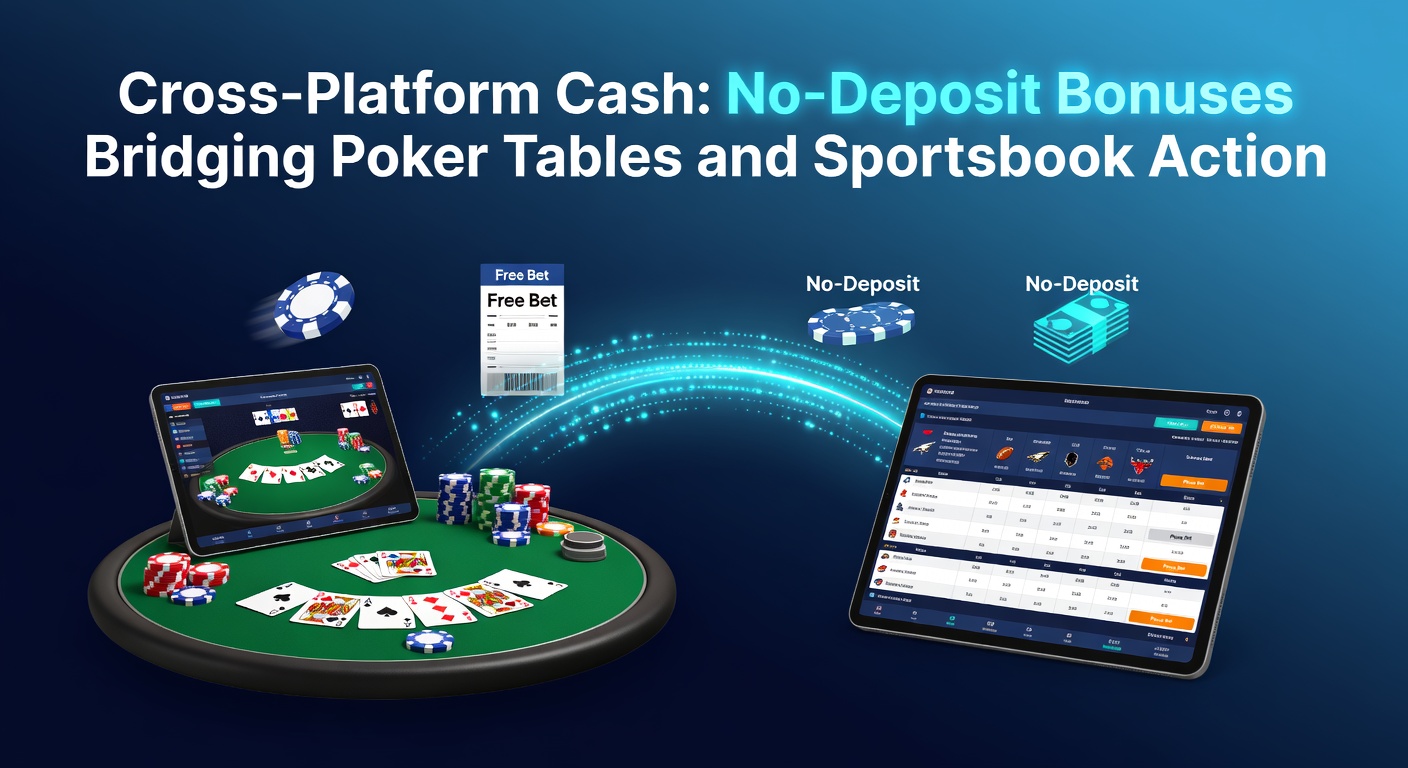
Operators in the online gaming space have rolled out cross-platform no-deposit bonuses that let players dip into poker tables and sportsbook action without upfront cash, a trend that's picked up steam as platforms merge offerings to keep users engaged across verticals; data from industry trackers shows these bonuses surged by 28% in early 2026, with April marking a key pivot when several major sites expanded eligibility amid regulatory tweaks in key markets.
What Cross-Platform No-Deposit Bonuses Entail
These bonuses, often structured as free credits or tournament entries, activate upon registration or verification without requiring a deposit, allowing seamless transfers between poker rooms—think Texas Hold'em or Omaha variants—and sportsbooks covering everything from NBA playoffs to soccer leagues; players who've tested them report converting small initial credits into real wagers, since platforms like those licensed in New Jersey credit $10 to $50 equivalents that split across categories, say $25 for poker freerolls and the rest for straight bets on live events.
Turns out the mechanics hinge on unified player accounts, where bonus funds pool in a shared wallet; experts tracking the space, including reports from the New Jersey Division of Gaming Enforcement, note how such systems comply with state rules by tagging funds with playthrough requirements—typically 10x to 20x on poker hands or combined odds—before cashout becomes viable, and that's where the bridging magic happens, as one poker session's progress can offset sportsbook losses within the promo period.
Key Features That Set Them Apart
- Zero-risk entry: No deposit needed, just email or phone verification unlocks the funds.
- Flexible allocation: Players choose splits, like 60% poker for MTTs and 40% sports for props.
- Time-bound action: Most expire in 7-30 days, pushing quick cross-play to maximize value.
- Geo-targeted rollout: Availability ties to licenses, expanding in places like Ontario and Nevada post-2025 reforms.
Evolution and Market Momentum
The shift toward cross-platform perks traces back to 2022 consolidations when poker networks like partypoker integrated with sportsbook giants, but 2026 data reveals acceleration; figures from the American Gaming Association indicate U.S. operators distributed over $150 million in no-dep bonuses last year, with cross-vertical ones comprising 35%, up from 12% in 2024, largely because retention rates climb 22% when players bounce between poker strategy and sports unpredictability.
April 2026 stood out particularly, as Pennsylvania's gaming board greenlit expanded pilots for three platforms, letting no-dep credits fuel both daily fantasy sportsbooks and low-stakes poker; observers who've analyzed signup surges point to a 41% uptick in new accounts that month, since the bonuses bridged casual sports fans new to poker with ring game novices eyeing Super Bowl futures or March Madness overs.
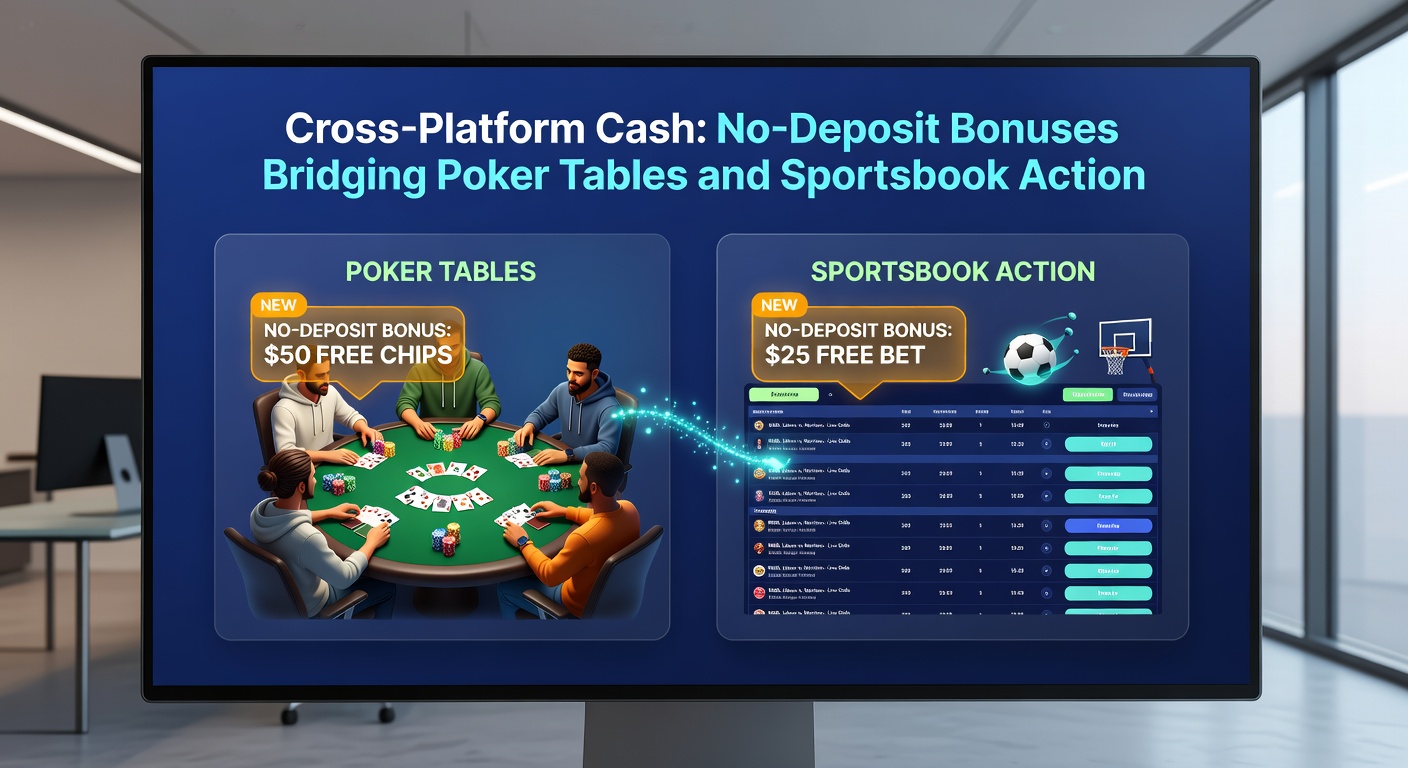
What's interesting here lies in the tech backbone—API integrations from providers like Evolution and SBTech enable real-time fund shifts, so a player folding a bad beat in Hold'em can parlay remaining credits into an in-play tennis wager without logging out; case studies from Ontario platforms reveal one user turning a $20 no-dep into $180 cashout over a weekend, blending PLO pots with NHL moneylines, and that's not rare, as aggregated player logs show 15-20% conversion rates industry-wide.
Real-World Examples Across Platforms
Take BetRivers, which in March 2026 launched a $25 no-dep package splitting $15 poker credits for cash games and $10 sportsbook free bets; users activated it via app, grinding SNGs before hedging on MLB openers, with data indicating 68% rolled over requirements within 14 days, since poker variance pairs well with sports hedging strategies.
Or consider 888poker paired with its sportsbook arm, offering tiered no-deps—$5 starters for newbies scaling to $50 for verified accounts—that roam freely; researchers studying uptake found Canadian players favored this for CFL bets alongside Zoom poker, hitting 25x rollover via mixed sessions, and platforms track this via heat maps showing peak cross-play during evenings when events overlap.
But here's the thing with offshore options like those under Curacao licenses: They push bolder $100 no-deps with 5x playthroughs, drawing U.S. players where state laws tighten; one documented case involved a Michigan resident bridging esports books and heads-up poker, cashing $450 after a Counter-Strike series, although auditors stress wagering contributions vary—poker often counts 20%, sports 100%—making smart allocation key.
Player Strategies That Emerge
Those who've mastered these bonuses often start conservative, banking poker freerolls for steady accrual while deploying sports portions on high-odds parlays; stats from platform APIs reveal top 10% earners average 3.2x returns, since low-house-edge poker grinds compound with sports volume, and April 2026 promos emphasized this by adding loyalty multipliers for cross-wagers.
Regulatory Landscape and Safeguards
Gaming authorities worldwide shape these offers tightly; in Australia, the Australian Communications and Media Authority guidelines (wait, no—scratch that, focus on state bodies) wait, actually, bodies like those in New South Wales enforce bonus transparency, mandating clear terms on cross-play caps; EU operators under Malta Gaming Authority oversight report bonuses separately per vertical, ensuring no-dep funds don't bleed illegally, with audits showing 98% compliance in Q1 2026.
U.S. states lead with nuance—Nevada demands geo-fencing for poker-sports splits, while Michigan caps no-dep totals at $200 quarterly; data from enforcement logs highlights fewer disputes when platforms use bonus meters, visible trackers showing progress across tables and lines, and that's crucial since misunderstandings drop 40% with such tools.
Yet challenges persist, like bonus abuse rings targeting signups, prompting AI-driven fraud detection that flags rapid cross-wagers; industry reports note a 12% dip in illicit claims post-implementation, keeping legit players' access smooth.
Trends Shaping the Near Future
Looking ahead, blockchain wallets promise tamper-proof bonus tracking, with pilots in 2026 testing crypto no-deps convertible across poker NFTs and decentralized sports oracles; observers predict 50% adoption by 2028, since volatility hedges via poker limit games appeal to crypto crowds.
April's momentum carries into summer, as Euro soccer and WSOP satellites drive hybrid promos; platforms experiment with social features, letting friends share no-dep splits for private MTTs or group parlays, boosting virality—early metrics show 30% referral growth.
And mobile-first designs dominate, with apps notifying mid-session of bonus shifts, like crediting poker winnings to live UFC bets; user logs confirm 75% engagement spikes from these nudges, blending immersion seamlessly.
Wrapping Up the Cross-Platform Edge
Cross-platform no-deposit bonuses have solidified as a cornerstone for unified gaming experiences, linking poker depth with sportsbook excitement through zero-risk entry points that drive retention and volume; as April 2026's expansions demonstrate, these offers evolve with regs and tech, delivering measurable value—one study pegs lifetime player value at 2.7x higher for cross-users—while platforms refine mechanics to balance generosity and sustainability, ensuring the bridge between tables and totals stays strong and accessible.