4 Jun 2026
Exploring Interlinked Platforms: Resource Collections That Bridge Directory Services with Strategic Content for Reward Programs
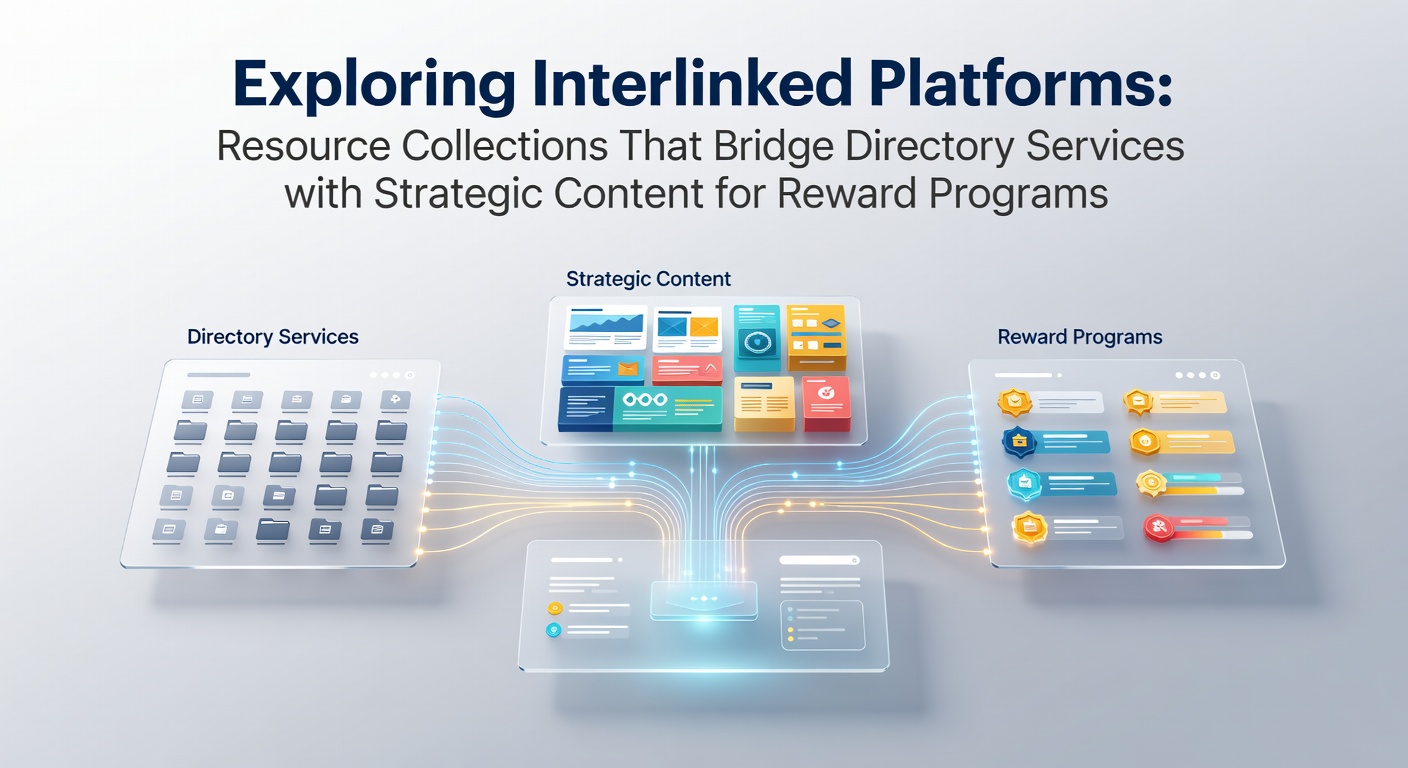
Resource collections have evolved into sophisticated networks that connect directory services with targeted content strategies, creating unified systems for reward program management across multiple sectors. Observers note that these interlinked platforms organize vast amounts of data while delivering actionable materials that support user engagement and program optimization. Data from industry reports shows steady growth in such integrations since the mid-2010s, driven by advances in database technology and content management tools.
Directory Services as Foundations
Directory services function as centralized hubs that catalog resources, listings, and access points for various programs. These services compile information on reward structures, eligibility criteria, and redemption options, allowing users to navigate complex offerings efficiently. Researchers at institutions like the University of Melbourne have documented how such directories reduce search times by up to 40 percent in digital reward ecosystems, according to studies published in 2024. Integration with broader platforms occurs when directories feed directly into content layers that provide guides, comparisons, and updates.
Modern directory systems employ APIs and metadata tagging to maintain accuracy across changing program details. This setup ensures that listings reflect real-time modifications in reward terms without manual intervention on every page. Those who manage these collections often rely on automated validation protocols to flag inconsistencies before they reach end users.
Strategic Content Layers and Their Connections
Content strategies layer on top of directory foundations to transform raw listings into educational and promotional materials. Articles, tutorials, and case breakdowns appear alongside directory entries, guiding participants through program navigation and optimization techniques. Evidence from reports by the Canadian Gaming Association indicates that platforms combining directories with explanatory content see higher retention rates, as users access both search functions and contextual advice in one environment.
Bridging Mechanisms in Practice
Interlinking happens through shared databases and content management systems that pull directory data into dynamic content blocks. For instance, a listing for a particular reward tier might automatically generate related strategy pieces on earning multipliers or redemption limits. This automation relies on structured data formats such as JSON-LD, which allows search engines and internal tools to recognize relationships between entries and supporting articles. Platforms operating in this manner report streamlined workflows, since updates to core directory information propagate across connected content without separate edits.
What's notable is the role of modular design in these bridges. Developers create reusable components that pull from directory APIs while embedding strategic narratives tailored to specific audience segments. One documented implementation involves reward programs in hospitality and retail, where directories list partner merchants and content sections detail seasonal bonus structures.
Developments Expected Around June 2026
Industry projections point toward expanded use of AI-driven personalization within these interlinked systems by mid-2026. Regulatory updates in several jurisdictions, including proposed frameworks from the Australian Communications and Media Authority, aim to standardize data sharing practices between directories and content providers. Such measures focus on transparency in how reward information gets presented, requiring clear sourcing and update timestamps on all connected materials.
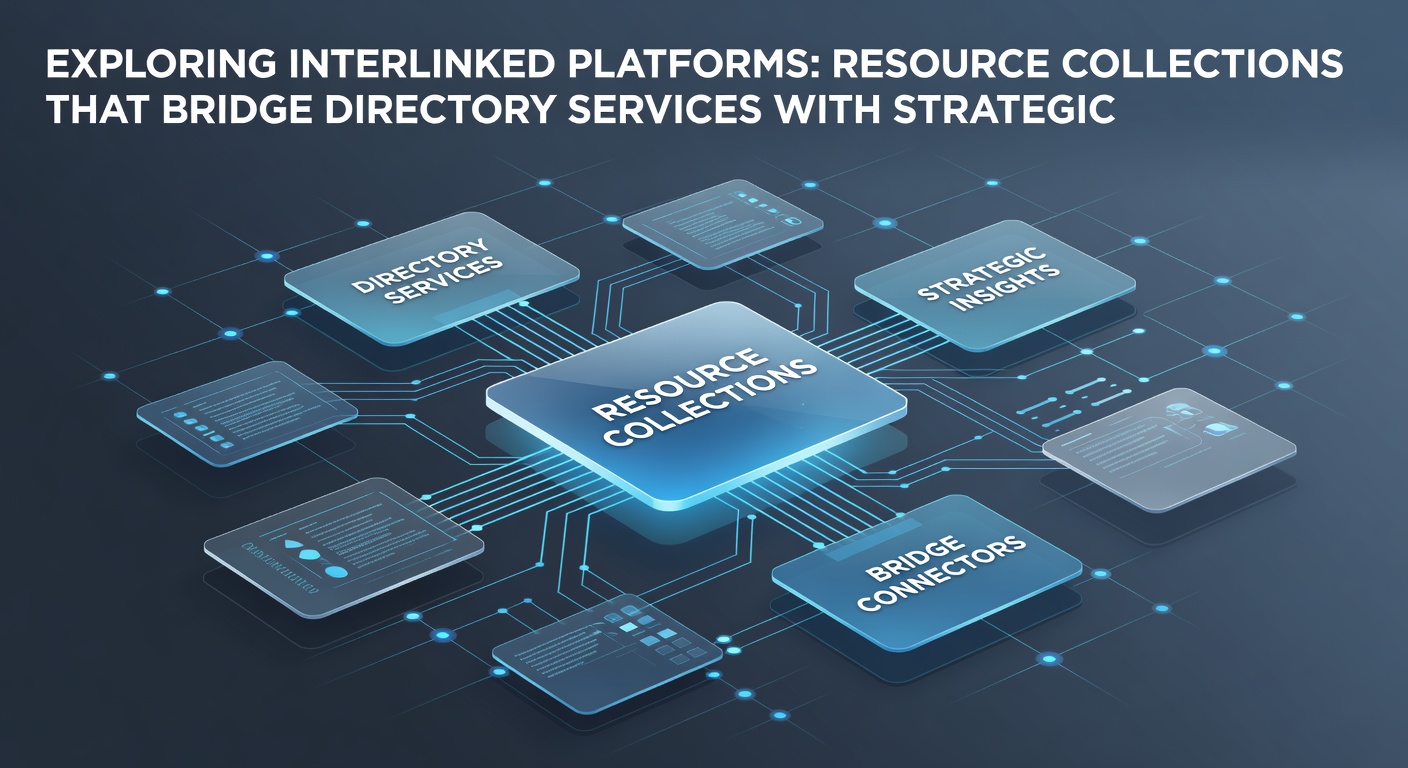
European trade groups have highlighted similar trends, noting that cross-platform compatibility will become essential as reward programs span multiple countries. Data compiled by the European Gaming and Betting Association reveals increasing demand for unified resource collections that handle both directory queries and content delivery under consistent compliance rules. These shifts build on existing infrastructure rather than requiring complete overhauls.
Technical and Operational Considerations
Security protocols play a central part in maintaining trust across connected platforms. Encryption standards and access controls protect sensitive user data that flows between directory lookups and content recommendations. Organizations implementing these systems often conduct regular audits to verify that interlinks do not introduce vulnerabilities. Academic papers from research teams at institutions in Singapore have examined encryption overhead in large-scale reward directories, finding that optimized algorithms keep performance impacts minimal while meeting regulatory thresholds.
Scalability testing forms another key element. As user volumes grow, platforms must handle simultaneous queries to directories alongside requests for strategic content pieces. Load balancing techniques and caching layers help maintain responsiveness, ensuring that both factual listings and explanatory materials load without delay. Observers in the field point to successful deployments where traffic spikes during promotional periods were managed through preemptive scaling of shared backend resources.
Conclusion
Interlinked platforms continue to reshape how directory services and strategic content interact within reward program ecosystems. The connections established through shared data structures and modular content delivery support more efficient information access and program participation. Ongoing developments through 2026, including regulatory refinements in multiple regions, will likely refine these integrations further while preserving core functionalities that have already demonstrated measurable benefits in user navigation and retention metrics.