25 Jun 2026
Portal Ecosystems Bridging Educational Tools and Promotional Tactics in Online Betting Arenas
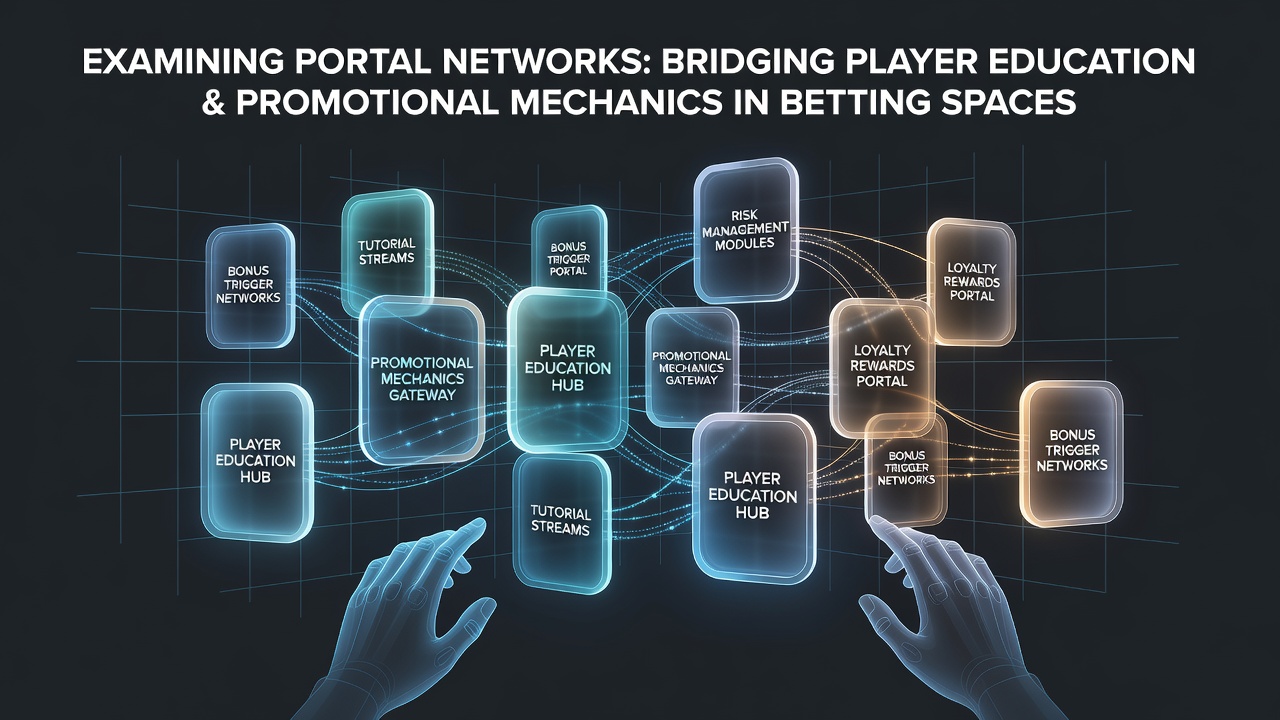 Portal networks operate as interconnected digital frameworks that combine structured learning resources with promotional delivery systems in betting environments. These systems route users through educational sequences on probability calculations, game mechanics, and risk assessment before unlocking access to deposit matches or free bet credits. Data from industry tracking services indicates that operators deploying such networks recorded a 22 percent increase in user retention metrics during the first half of 2026. Operators design these portals with layered access controls. Users complete modules covering payout structures and terms of service, after which algorithms trigger targeted offers calibrated to demonstrated comprehension levels. This integration reduces instances of bonus misuse, as participants enter promotions with clearer expectations of wagering requirements and expiry conditions.
Structural Components of These Networks
Core architecture consists of three primary layers. The education layer hosts interactive simulations and rule databases sourced from regulatory guidelines issued by bodies such as the Nevada Gaming Control Board. The promotion layer manages inventory of offers including cashback percentages and loyalty point multipliers. The bridging layer employs API connections that log completion timestamps and route verified users into segmented marketing funnels.
Developers incorporate progress tracking dashboards that display both knowledge scores and available incentives side by side. One implementation in European markets synchronizes quiz results with eligibility flags for reload bonuses, creating a direct correlation between demonstrated understanding and reward access. Figures released by the Australian Communications and Media Authority in June 2026 showed a measurable drop in dispute filings related to misunderstood promotional conditions among platforms using these synchronized systems.
Operational Flow and User Pathways
A typical session begins with account verification followed by a mandatory orientation module on deposit methods and withdrawal timelines. Successful completion registers a metadata tag that the promotion engine reads to surface relevant offers. Players who skip or rush through educational content encounter restricted bonus visibility until thresholds are met.
Case examples from North American operators reveal that pathways often include branching scenarios. One path covers sports betting odds formats while another addresses casino volatility indexes, each unlocking distinct categories of free play credits. This segmentation allows networks to match promotional mechanics with specific knowledge domains rather than applying blanket offers across all users.
Regulatory Alignment and Compliance Mechanisms
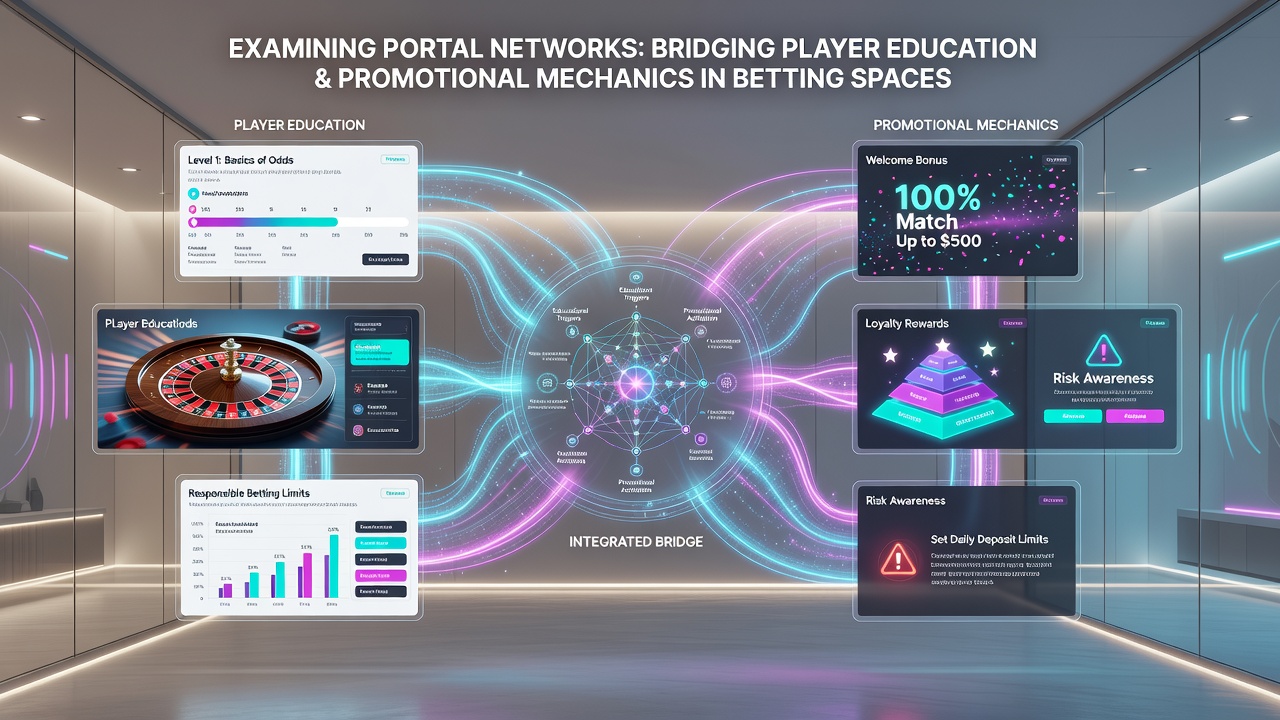
Regulatory frameworks increasingly reference these portal structures as tools for meeting responsible gaming mandates. The Alcohol and Gaming Commission of Ontario updated its technical standards in early 2026 to require audit logs of educational module completion before any promotional funds activate. Similar provisions appear in draft rules circulated by the New Jersey Division of Gaming Enforcement, focusing on transparency around how knowledge verification influences bonus distribution.
Network operators maintain compliance through timestamped records and randomized module refresh cycles that prevent rote completion. External audits verify that promotional terms remain accessible within the same interface as the educational content, satisfying disclosure requirements across multiple jurisdictions.
Technical Integration Patterns
Modern implementations rely on modular software components that allow rapid updates to both curricula and offer catalogs. Developers use event-driven triggers so that a completed lesson on bankroll management immediately surfaces a related cashback promotion without requiring separate navigation. This reduces friction while maintaining the educational prerequisite.
Analytics suites embedded in these networks generate reports correlating module completion rates with subsequent deposit volumes and bonus redemption frequencies. Operators adjust module difficulty and promotional generosity based on these aggregated patterns rather than isolated performance indicators.
Future Trajectories in Portal Development
Emerging versions incorporate adaptive learning algorithms that tailor content depth according to prior performance and betting activity history. These systems adjust question complexity in real time while simultaneously refining the scope of displayed promotions. Industry observers note that such adaptability aligns with broader trends toward personalized regulatory compliance across digital gambling channels.
Conclusion
Portal networks that fuse educational delivery with promotional activation continue to evolve as operators respond to regulatory expectations and user behavior data. The June 2026 reporting cycle from multiple oversight bodies underscores measurable impacts on compliance metrics and engagement continuity when these integrated frameworks operate effectively. Continued refinement of bridging mechanisms will likely shape how betting platforms balance instructional mandates with incentive structures in coming periods.